My Blog

Car Maintenance

Love Your Car Longer: Simple Maintenance Tips That Work
Car Maintenance

Love Your Car Longer: Simple Maintenance Car Tips That Work

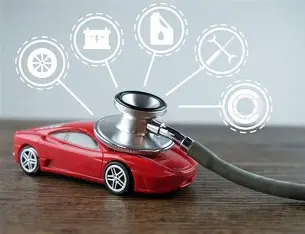
Your car is more than just a mode of transportation — it’s an investment, a travel companion, and a daily necessity. Whether you’re driving a brand-new SUV or a trusty old sedan, taking care of your vehicle ensures a smooth ride and saves you from expensive repairs down the road. The good news? You don’t need to be a mechanic to keep your car running for years. With a few consistent habits and simple checks, you can significantly extend your car’s lifespan, improve performance, and maintain its value. Easy car upkeep ideas Here’s your ultimate guide to simple, effective car maintenance tips that really work — no toolbox expertise required. Easy car upkeep ideas 1. Change Your Engine Oil Regularly The engine is your car’s heart, and oil is its lifeblood. Oil lubricates moving parts, prevents friction, and carries away heat. Over time, it breaks down and becomes dirty, putting your engine at risk. Tip: Regular oil changes are the single most important thing you can do to prolong engine life. 2. Don’t Ignore Dashboard Warning Lights Your car is always talking to you — especially through the dashboard Love Your Car Longer: Simple Maintenance Car Tips That Work. Those little glowing icons might seem cryptic, but they’re vital indicators of your vehicle’s health. Common warning lights to watch: Never ignore a warning light. Addressing it early could save you from a bigger, costlier problem. 3. Keep an Eye on Your Tires Your tires are your car’s only contact with the road — they affect everything from fuel efficiency to safety and handling. Tire care checklist: Properly maintained tires last longer and can improve fuel economy by up to 3%. 4. Wash and Wax Regularly While it may seem like just cosmetic care, cleaning your car regularly helps protect the paint and body from rust and corrosion — especially in harsh climates or polluted cities. Cleaning tips: A clean car isn’t just attractive — it’s healthier and more durable. 5. Replace Filters When Needed Your car relies on various filters to run efficiently. Dirty filters reduce performance and strain your engine. Key filters to check: Replacing filters is an inexpensive way to protect more expensive components. 6. Monitor and Top Off Fluids Beyond engine oil, your car uses other critical fluids. Neglecting them can lead Love Your Car Longer: Simple Maintenance Car Tips That Work to serious mechanical problems. Essential fluids: Make it a habit to check fluid levels monthly and top them up if they’re low. Use your car’s manual to locate each reservoir. 7. Drive Smart and Smooth Believe it or not, how you drive plays a big role in how long your car lasts. Good driving habits: The more gently you treat your car, the longer it will return the favor. 8. Replace Spark Plugs and Belts on Time Though they last tens of thousands of kilometers, worn-out spark plugs and belts can affect performance and cause engine damage. Check your owner’s manual or consult a mechanic to avoid breakdowns at the worst time. 9. Keep Your Battery Healthy A dead battery can leave you stranded, but it’s easy to maintain. Battery care tips: During extreme weather (hot or cold), battery issues are more common — so be extra vigilant. 10. Stay on Schedule with Maintenance Checks The best way to love your car longer is to follow a regular maintenance schedule. Your owner’s manual has a maintenance timeline — follow it! Regular service items include: Set reminders in your phone or use a car maintenance app to track services. A consistent routine will help you catch small problems before they become expensive ones. So grab a pair of gloves, pop the hood, and show your car some love. It’s one relationship you don’t want to take for granted. 11. Graphing Your Car’s Health: Maintenance vs. Performance Tracking your car’s health is much like reading a graph—it shows the balance between regular maintenance and overall performance. Consistent oil changes, tire checks, and fluid top-ups directly influence engine efficiency, fuel economy, and longevity. By monitoring this relationship, drivers can spot early warning signs, prevent costly repairs, and ensure their vehicle performs at its peak for years. Final Thoughts Your car doesn’t need grand gestures — just a little love and regular attention. With these simple maintenance tips, you can drive confidently, knowing your car is in top condition. By checking fluids, driving smart, staying clean, and following a schedule, you’ll not only save money on repairs but also build a stronger connection with your vehicle. After all, the longer your car stays happy, the longer it’ll keep you on the road — safely and reliably. So grab a pair of gloves, pop the hood, and show your car some love. It’s one relationship you don’t want to take for granted.
Car Maintenance

Mastering Car Maintenance: A DIY Approach

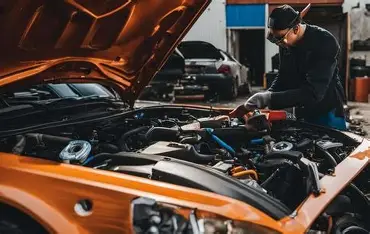
Cars are complex machines, but maintaining them doesn’t have to be. With a little time, the right tools, and some basic knowledge, you can take care of many common car maintenance tasks yourself. Not only does DIY car care save money, but it also helps you understand your vehicle better and prevent small issues from becoming expensive repairs. In this blog, we’ll walk you through the basics of car maintenance that anyone can master with confidence — even without a mechanical background. Why DIY Car Maintenance Matters Before diving into the how-to’s, let’s look at why DIY maintenance is worth your effort: Now, let’s roll up our sleeves and explore what you can start doing today. 1. Check and Change Your Engine Oil Changing your car’s engine oil is one of the most essential (and easiest) maintenance tasks. How to do it: Tip: Use gloves and dispose of the used oil responsibly at a recycling center. Frequency: Every 5,000 to 7,500 km, or as specified in your manual. 2. Inspect and Top Up Fluids Your car runs on more than just fuel. Check and refill these fluids regularly: How to check: Open the hood and look for clearly labeled caps or reservoirs with level indicators. Most fluids are transparent or color-coded. 3. Replace Air Filters There are two main filters you can change easily: How to replace: Pop open the filter housing (usually with clips or screws), pull out the old filter, and insert the new one. Tip: Check every 10,000–15,000 km or once a year. 4. Check Tire Pressure and Tread Properly inflated tires improve fuel economy and safety. Driving with low tire pressure wears out tires faster and reduces traction. How to do it: Bonus Tip: Rotate your tires every 8,000–10,000 km to ensure even wear. 5. Change Windshield Wiper Blades Worn-out wipers can make driving dangerous during rain or snow. Signs it’s time: How to do it: Press the release tab on the wiper arm, slide the blade off, and replace it with a new one. Most blades come with instructions. 6. Replace Spark Plugs Spark plugs ignite the fuel-air mixture inside your engine. Old or dirty spark plugs can cause rough idling, poor mileage, or trouble starting. How to replace: Caution: Only attempt this if you’re confident — incorrect installation can damage the engine. 7. Test Your Battery A healthy battery is key to reliable starts and functioning electronics. DIY test: If your car struggles to start or you notice dimming lights, the battery may need replacing (usually every 3–5 years). 8. Check and Replace Lights Walk around your car to check: If a bulb is out, it’s usually easy to replace through access panels in the headlight or taillight housing. Tip: Use gloves when handling bulbs to avoid oil from your skin reducing their lifespan. 9. Keep It Clean — Inside and Out Cleanliness might not seem mechanical, but it impacts the car’s longevity. 10. Keep a Maintenance Log It’s easy to forget when you last changed your oil or rotated your tires. Keep a small notebook or use an app to record: It’ll help you stay organized and prove useful when selling the car. Tools Every DIYer Should Have Invest in a few basics: Final Thoughts Mastering car maintenance isn’t about becoming a full-time mechanic. It’s about taking charge of your vehicle’s health and knowing what it needs. With a DIY mindset, you’ll build a stronger connection with your car, save money, and drive with greater peace of mind. So next time your dashboard light pops on or your oil change is due, don’t panic — pop the hood, grab your tools, and get to work. Your car (and your wallet) will thank you.

Car Maintenance

Under the Hood: Demystifying Your Car’s Key Components

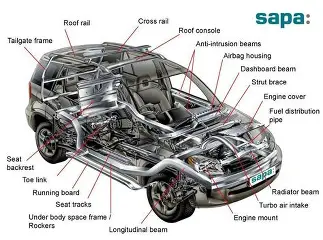
1. The Engine – The Heart of Your Car At the core of your vehicle lies the engine — often referred to as the heart of the car. It converts fuel into mechanical energy through a process called internal combustion. Essentially, small explosions occur within the engine to generate power, which turns the wheels. Modern engines are complex, but the main parts include: Keeping your engine healthy means regular oil changes, using the right fuel, and avoiding overheating. 2. The Battery – Power Hub for Electronics The car battery provides the electrical energy needed to start the engine and power electrical components like lights, infotainment systems, and air conditioning. It’s rechargeable and usually lasts 3–5 years depending on usage and climate. A weak or dead battery often results in a clicking sound when trying to start the car. Regular checks, especially before winter, can prevent breakdowns. 3. Radiator & Cooling System – Keeping Things Cool Engines get extremely hot. Without a cooling system, they’d overheat and get damaged. The radiator is a key part of this system — it circulates coolant through the engine to absorb heat and releases it via the radiator fins. Common issues include: Always check coolant levels periodically and look out for warning lights or steam coming from under the hood. 4. Alternator – The Power Generator Once the engine is running, the alternator takes over from the battery to power the car’s electrical systems and recharge the battery. Think of it as a mini generator powered by the engine’s motion. If your headlights dim while driving or the battery warning light comes on, the alternator might be failing. It’s often confused with battery issues but is just as critical. 5. Air Intake System – Your Engine’s Breathing System Just like humans need oxygen, so do engines. The air intake system brings in clean air from outside and mixes it with fuel for combustion. Key parts include: Replacing a dirty air filter improves fuel efficiency and performance. 6. Transmission – The Power Shifter The transmission is like the messenger between the engine and wheels. It ensures the right amount of power goes to the wheels depending on your speed. There are two main types: Transmission fluid needs checking just like engine oil. A slipping transmission or jerky gear changes are signs of trouble. 7. Brake System – Your Safety Lifeline Brakes are vital to your safety and consist of several components: If you hear squealing, grinding, or notice reduced braking power, have your brakes inspected immediately. 8. Belts and Hoses – The Unsung Heroes Several rubber belts and hoses snake around your engine, helping drive components like the alternator, power steering, and AC. Important ones include: Over time, these can crack or wear out. Inspecting them for signs of fraying or leaks can save you from sudden breakdowns. 9. Fuel System – Feeding the Engine The fuel system delivers fuel from the tank to the engine in precise amounts. It includes: Dirty injectors or a clogged filter can reduce engine performance and fuel economy. Using high-quality fuel and additives occasionally helps maintain cleanliness . 10. Exhaust System – Managing Waste Gases After combustion, waste gases need a way out — that’s where the exhaust system comes in. It includes the exhaust manifold, catalytic converter, muffler, and tailpipe. It reduces noise, filters harmful emissions, and safely vents gases away from the car. Rattling sounds or a drop in fuel efficiency might signal exhaust problems. Final Thoughts Understanding what’s under your car’s hood empowers you as a driver. While you don’t need to become a mechanic, knowing these key components helps you: So next time you pop your hood, you won’t be staring into a mystery — you’ll be looking at a well-oiled machine you understand a little better. ChatGPT can make mistakes. Che

Car Maintenance

Smart Driving: Tips for Safer and More Efficient Road Trips

Make Every Mile Count With Confidence and Care Road trips offer the freedom to explore, discover new places, and create unforgettable memories. Whether you’re heading out for a weekend getaway or a cross-country adventure, smart driving can make all the difference. A well-planned trip that prioritizes safety and efficiency not only enhances your experience but also saves money and reduces stress. In this blog, we’ll explore practical, beginner-friendly tips to help you drive smarter and make your road trip as smooth and enjoyable as possible. 1. Plan Your Route Ahead of Time One of the best ways to start a road trip is with a solid plan. Use GPS apps like Google Maps or Waze to map your route and identify rest stops, fuel stations, restaurants, and attractions. Download offline maps in case you lose signal. Planning your route helps avoid unexpected delays, road closures, or getting lost in unfamiliar areas. Bonus Tip: Check for traffic patterns and weather forecasts before you depart to adjust your timing and avoid rush hour or dangerous driving conditions. 2. Inspect Your Vehicle Before the Trip A quick vehicle check can prevent major issues on the road. Here’s a simple pre-trip checklist: If you’re not comfortable checking these yourself, visit a mechanic for a quick inspection. 3. Pack Smart and Light It might be tempting to bring everything “just in case,” but packing light improves fuel efficiency and handling. Use soft-sided bags to maximize space and keep heavier items low and centered in the trunk for stability. Don’t forget essentials like: 4. Drive Defensively and Stay Alert Defensive driving is a key part of road safety, especially on long trips or unfamiliar roads. Follow these habits: 5. Use Cruise Control Wisely Cruise control is great for maintaining a steady speed and improving fuel efficiency on highways. However, avoid using it in heavy traffic, mountainous roads, or wet conditions, where constant adjustments are necessary. Smart use of cruise control helps reduce fuel consumption and driver fatigue. 6. Save Fuel With Eco-Friendly Driving Habits Fuel efficiency doesn’t just depend on the type of car you drive—it’s also about how you drive. Here are some habits to adopt: 7. Prepare for Emergencies Even with the best planning, unexpected situations can arise. Be ready by: If traveling in remote areas, let someone know your route and expected arrival time. 8. Stay Entertained and Comfortable A happy driver is a better driver. Keep your road trip enjoyable by: Don’t forget to stay hydrated and eat regularly—hunger and dehydration can affect concentration. 9. Know the Local Laws and Rules If you’re crossing state lines or driving in a different country, be aware of local traffic laws. For example, some places have stricter rules about phone use, seat belts, or even headlights during the day. Always carry your driver’s license, registration, and insurance. 10. Embrace Flexibility While planning is important, being flexible makes your trip more enjoyable. Unexpected detours can lead to surprising discoveries. If you’re tired, don’t push through just to “stay on schedule.” Smart driving means knowing when to stop, explore, or rest. Final Thoughts Smart driving is about more than just getting from point A to point B—it’s about doing it safely, efficiently, and enjoyably. By preparing your car, planning your route, and adopting good driving habits, you’ll reduce stress and make the most of your road trip. Whether you’re chasing sunsets, exploring new towns, or visiting friends, a little smart driving goes a long way. So buckle up, hit the road, and enjoy the journey—safely and smartly.

Car Maintenance

Understanding Car Maintenance: A Beginner’s Guide

Owning a car brings freedom and convenience, but it also comes with responsibilities—chief among them is proper maintenance. If you’re a beginner, the idea of car maintenance might seem overwhelming. However, understanding the basics can save you money, extend the life of your vehicle, and keep you safe on the road. This beginner’s guide breaks down essential car maintenance tasks and why they matter. Why Car Maintenance Matters Regular maintenance helps your car run efficiently and prevents costly repairs. Think of it like going to the doctor for check-ups—minor issues can be addressed before they become serious. Neglecting maintenance can lead to breakdowns, reduced fuel efficiency, and even dangerous driving conditions. The Owner’s Manual Is Your Best Friend The first step in understanding your car’s maintenance needs is to read the owner’s manual. It outlines recommended service intervals for oil changes, tire rotations, filter replacements, and more. Each car is different, so what works for one may not apply to another. Make the manual your go-to resource. Basic Maintenance Tasks You Can Learn Seasonal Maintenance Tips When to See a Mechanic While many maintenance tasks are beginner-friendly, some should be left to professionals. If you hear strange noises, see warning lights on your dashboard, or notice your car handling differently, it’s time to visit a mechanic. Don’t wait until there’s a problem. Preventive maintenance is often more affordable than repairs after something breaks. Tools to Get Started If you want to try DIY maintenance, invest in a few basic tools: Also, there are plenty of online tutorials and videos that walk you through common tasks step by step. Final Thoughts Car maintenance doesn’t have to be intimidating. By learning a few basics, you can take better care of your vehicle and avoid unexpected breakdowns. Start with small tasks, consult your owner’s manual, and don’t be afraid to ask questions or seek help. Your car will thank you with smoother rides and fewer repair bills.

Scroll to Top