
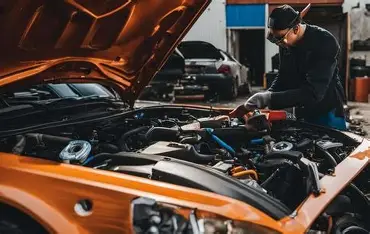
Cars are complex machines, but maintaining them doesn’t have to be. With a little time, the right tools, and some basic knowledge, you can take care of many common car maintenance tasks yourself. Not only does DIY car care save money, but it also helps you understand your vehicle better and prevent small issues from becoming expensive repairs.
In this blog, we’ll walk you through the basics of car maintenance that anyone can master with confidence — even without a mechanical background.
Why DIY Car Maintenance Matters
Before diving into the how-to’s, let’s look at why DIY maintenance is worth your effort:
- Cost Savings: You can cut down on labor costs by doing simple jobs yourself.
- Vehicle Longevity: Regular maintenance keeps your car running smoothly for years.
- Confidence and Knowledge: You’ll feel more secure behind the wheel when you understand what’s under the hood.
- Emergency Readiness: If your car breaks down, basic knowledge can help you troubleshoot or fix minor problems on the spot.
Now, let’s roll up our sleeves and explore what you can start doing today.
1. Check and Change Your Engine Oil
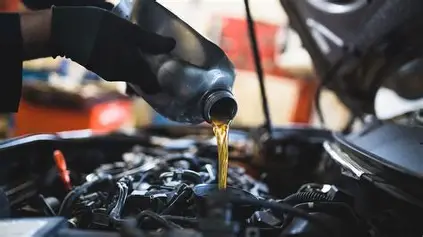
Changing your car’s engine oil is one of the most essential (and easiest) maintenance tasks.
How to do it:
- Let the engine cool, then place a drain pan under the oil plug.
- Remove the plug and let the old oil drain out completely.
- Replace the oil filter.
- Reinstall the plug and add fresh oil (type and amount are listed in your owner’s manual).
Tip: Use gloves and dispose of the used oil responsibly at a recycling center.
Frequency:
Every 5,000 to 7,500 km, or as specified in your manual.
2. Inspect and Top Up Fluids
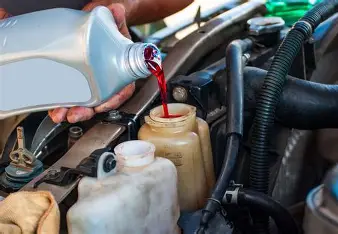
Your car runs on more than just fuel. Check and refill these fluids regularly:
- Coolant (prevents overheating)
- Brake fluid (vital for stopping)
- Transmission fluid (for smooth gear shifts)
- Windshield washer fluid (for visibility)
- Power steering fluid (if applicable)
How to check: Open the hood and look for clearly labeled caps or reservoirs with level indicators. Most fluids are transparent or color-coded.
3. Replace Air Filters
There are two main filters you can change easily:
- Engine Air Filter: Keeps dirt from entering the engine.
- Cabin Air Filter: Cleans the air inside your car.
How to replace:
Pop open the filter housing (usually with clips or screws), pull out the old filter, and insert the new one.
Tip: Check every 10,000–15,000 km or once a year.
4. Check Tire Pressure and Tread
Properly inflated tires improve fuel economy and safety. Driving with low tire pressure wears out tires faster and reduces traction.
How to do it:
- Use a digital tire gauge to check pressure.
- Inflate tires to the recommended PSI (found on the driver’s door or manual).
- Inspect tread depth with a coin or tread gauge. Uneven wear may signal alignment issues.
Bonus Tip: Rotate your tires every 8,000–10,000 km to ensure even wear.
5. Change Windshield Wiper Blades
Worn-out wipers can make driving dangerous during rain or snow.
Signs it’s time:
- Streaking or smearing on the glass
- Chattering sounds
- Visible cracks or rubber tearing
How to do it:
Press the release tab on the wiper arm, slide the blade off, and replace it with a new one. Most blades come with instructions.
6. Replace Spark Plugs
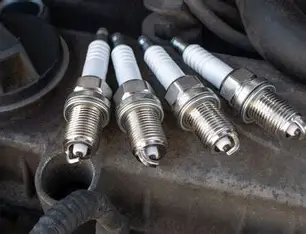
Spark plugs ignite the fuel-air mixture inside your engine. Old or dirty spark plugs can cause rough idling, poor mileage, or trouble starting.
How to replace:
- Remove the plug wire or ignition coil.
- Use a spark plug socket and ratchet to remove the old plug.
- Insert a new plug (make sure it’s gapped correctly) and tighten gently.
Caution: Only attempt this if you’re confident — incorrect installation can damage the engine.
7. Test Your Battery
A healthy battery is key to reliable starts and functioning electronics.
DIY test:
- Look for corrosion on terminals and clean with a baking soda and water mix.
- Use a multimeter to check voltage. A fully charged battery should read around 12.6 volts.
If your car struggles to start or you notice dimming lights, the battery may need replacing (usually every 3–5 years).
8. Check and Replace Lights
Walk around your car to check:
- Headlights
- Brake lights
- Turn signals
- Reverse lights
If a bulb is out, it’s usually easy to replace through access panels in the headlight or taillight housing.
Tip: Use gloves when handling bulbs to avoid oil from your skin reducing their lifespan.
9. Keep It Clean — Inside and Out
Cleanliness might not seem mechanical, but it impacts the car’s longevity.
- Wash the exterior regularly to remove dirt and salt.
- Wax every few months to protect paint.
- Vacuum the interior to prevent wear and odors.
- Clean your windows and mirrors for better visibility.
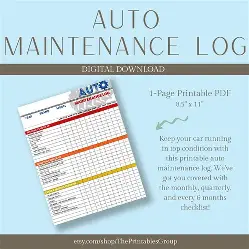
10. Keep a Maintenance Log
It’s easy to forget when you last changed your oil or rotated your tires. Keep a small notebook or use an app to record:
- Oil changes
- Fluid top-ups
- Tire rotations
- Battery replacements
- Any unusual noises or problems
It’ll help you stay organized and prove useful when selling the car.
Tools Every DIYer Should Have
Invest in a few basics:
- Socket wrench set
- Screwdrivers
- Tire pressure gauge
- Jack and jack stands
- Oil catch pan
- Work gloves
- Flashlight or work light
- Owner’s manual (your best reference guide)
Final Thoughts
Mastering car maintenance isn’t about becoming a full-time mechanic. It’s about taking charge of your vehicle’s health and knowing what it needs. With a DIY mindset, you’ll build a stronger connection with your car, save money, and drive with greater peace of mind.
So next time your dashboard light pops on or your oil change is due, don’t panic — pop the hood, grab your tools, and get to work. Your car (and your wallet) will thank you.