
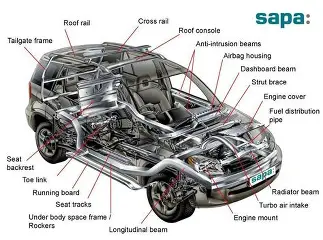
1. The Engine – The Heart of Your Car
At the core of your vehicle lies the engine — often referred to as the heart of the car. It converts fuel into mechanical energy through a process called internal combustion. Essentially, small explosions occur within the engine to generate power, which turns the wheels.
Modern engines are complex, but the main parts include:
- Cylinders: Where the combustion happens.
- Pistons: Move up and down in the cylinders.
- Crankshaft: Converts the pistons’ motion into rotational force.
- Camshaft: Controls the opening and closing of the valves.
Keeping your engine healthy means regular oil changes, using the right fuel, and avoiding overheating.
2. The Battery – Power Hub for Electronics
The car battery provides the electrical energy needed to start the engine and power electrical components like lights, infotainment systems, and air conditioning. It’s rechargeable and usually lasts 3–5 years depending on usage and climate.
A weak or dead battery often results in a clicking sound when trying to start the car. Regular checks, especially before winter, can prevent breakdowns.
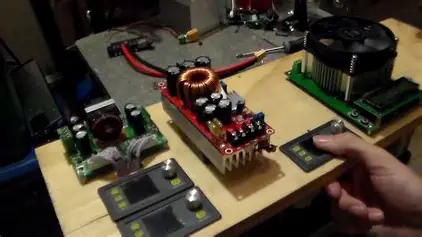
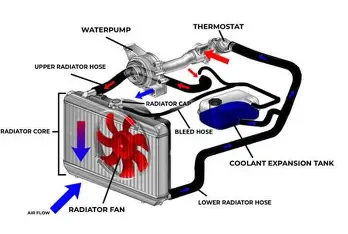
3. Radiator & Cooling System – Keeping Things Cool
Engines get extremely hot. Without a cooling system, they’d overheat and get damaged. The radiator is a key part of this system — it circulates coolant through the engine to absorb heat and releases it via the radiator fins.
Common issues include:
- Coolant leaks
- Blocked radiator fins
- Overheating in traffic
Always check coolant levels periodically and look out for warning lights or steam coming from under the hood.
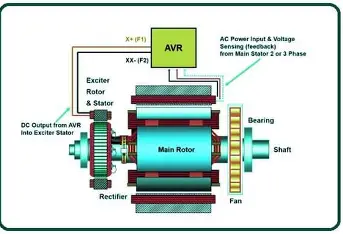
4. Alternator – The Power Generator
Once the engine is running, the alternator takes over from the battery to power the car’s electrical systems and recharge the battery. Think of it as a mini generator powered by the engine’s motion.
If your headlights dim while driving or the battery warning light comes on, the alternator might be failing. It’s often confused with battery issues but is just as critical.
5. Air Intake System – Your Engine’s Breathing System
Just like humans need oxygen, so do engines. The air intake system brings in clean air from outside and mixes it with fuel for combustion.
Key parts include:
- Air filter: Traps dust and debris.
- Throttle body: Regulates how much air enters the engine.
Replacing a dirty air filter improves fuel efficiency and performance.
6. Transmission – The Power Shifter
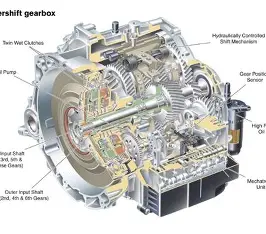
The transmission is like the messenger between the engine and wheels. It ensures the right amount of power goes to the wheels depending on your speed.
There are two main types:
- Manual transmission: You change gears manually using a clutch.
- Automatic transmission: The car does the gear shifting for you.
Transmission fluid needs checking just like engine oil. A slipping transmission or jerky gear changes are signs of trouble.
7. Brake System – Your Safety Lifeline
Brakes are vital to your safety and consist of several components:
- Brake pads: Press against rotors to stop the car.
- Rotors/discs: Spinning discs attached to the wheels.
- Brake fluid: Transfers pressure from your foot to the brake pads.
If you hear squealing, grinding, or notice reduced braking power, have your brakes inspected immediately.
8. Belts and Hoses – The Unsung Heroes
Several rubber belts and hoses snake around your engine, helping drive components like the alternator, power steering, and AC.
Important ones include:
- Timing belt: Synchronizes engine parts.
- Serpentine belt: Powers multiple accessories.
- Radiator hoses: Carry coolant through the engine.
Over time, these can crack or wear out. Inspecting them for signs of fraying or leaks can save you from sudden breakdowns.
9. Fuel System – Feeding the Engine
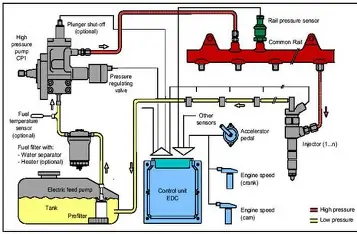
The fuel system delivers fuel from the tank to the engine in precise amounts. It includes:
- Fuel pump
- Fuel injectors
- Fuel filter
Dirty injectors or a clogged filter can reduce engine performance and fuel economy. Using high-quality fuel and additives occasionally helps maintain cleanliness
.
10. Exhaust System – Managing Waste Gases
After combustion, waste gases need a way out — that’s where the exhaust system comes in. It includes the exhaust manifold, catalytic converter, muffler, and tailpipe.
It reduces noise, filters harmful emissions, and safely vents gases away from the car. Rattling sounds or a drop in fuel efficiency might signal exhaust problems.
Final Thoughts
Understanding what’s under your car’s hood empowers you as a driver. While you don’t need to become a mechanic, knowing these key components helps you:
- Communicate better with your mechanic
- Perform basic maintenance
- Detect issues early
- Avoid unnecessary repairs
So next time you pop your hood, you won’t be staring into a mystery — you’ll be looking at a well-oiled machine you understand a little better.
ChatGPT can make mistakes. Che