
Make Every Mile Count With Confidence and Care
Road trips offer the freedom to explore, discover new places, and create unforgettable memories. Whether you’re heading out for a weekend getaway or a cross-country adventure, smart driving can make all the difference. A well-planned trip that prioritizes safety and efficiency not only enhances your experience but also saves money and reduces stress. In this blog, we’ll explore practical, beginner-friendly tips to help you drive smarter and make your road trip as smooth and enjoyable as possible.
1. Plan Your Route Ahead of Time
One of the best ways to start a road trip is with a solid plan. Use GPS apps like Google Maps or Waze to map your route and identify rest stops, fuel stations, restaurants, and attractions. Download offline maps in case you lose signal. Planning your route helps avoid unexpected delays, road closures, or getting lost in unfamiliar areas.
Bonus Tip: Check for traffic patterns and weather forecasts before you depart to adjust your timing and avoid rush hour or dangerous driving conditions.
2. Inspect Your Vehicle Before the Trip
A quick vehicle check can prevent major issues on the road. Here’s a simple pre-trip checklist:
- Tire Pressure and Tread: Inflate tires to the recommended pressure and check for even tread wear.
- Oil and Fluid Levels: Top off engine oil, coolant, brake fluid, transmission fluid, and windshield washer fluid.
- Battery: Make sure the battery terminals are clean and secure. If your battery is older than three years, consider having it tested.
- Lights and Signals: Confirm all headlights, brake lights, and turn signals are functioning.
If you’re not comfortable checking these yourself, visit a mechanic for a quick inspection.
3. Pack Smart and Light
It might be tempting to bring everything “just in case,” but packing light improves fuel efficiency and handling. Use soft-sided bags to maximize space and keep heavier items low and centered in the trunk for stability. Don’t forget essentials like:
- Emergency kit (jumper cables, flashlight, first aid, tire repair tools)
- Phone charger and power bank
- Snacks and water
- Printed copy of your route
4. Drive Defensively and Stay Alert
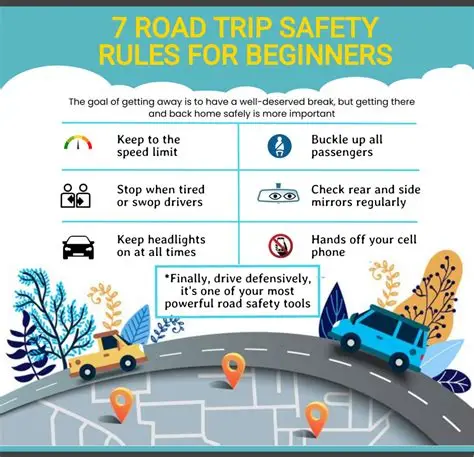
Defensive driving is a key part of road safety, especially on long trips or unfamiliar roads. Follow these habits:
- Keep a safe distance: Maintain a 3-second gap between your car and the vehicle in front.
- Avoid distractions: Put your phone away or use hands-free features. Keep your focus on the road.
- Follow speed limits: They’re not just about avoiding tickets—they’re set for safe travel based on road conditions.
- Rest when tired: Driving fatigued is dangerous. Plan breaks every 2–3 hours to stretch, rest, or switch drivers.
5. Use Cruise Control Wisely
Cruise control is great for maintaining a steady speed and improving fuel efficiency on highways. However, avoid using it in heavy traffic, mountainous roads, or wet conditions, where constant adjustments are necessary. Smart use of cruise control helps reduce fuel consumption and driver fatigue.
6. Save Fuel With Eco-Friendly Driving Habits
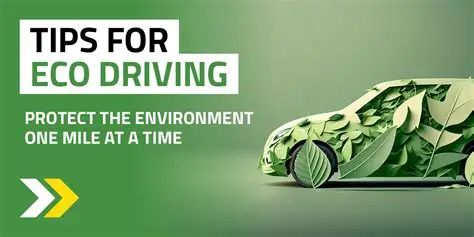
Fuel efficiency doesn’t just depend on the type of car you drive—it’s also about how you drive. Here are some habits to adopt:
- Avoid hard braking and rapid acceleration: Smooth acceleration and gradual braking improve fuel economy.
- Drive at moderate speeds: Most cars are most fuel-efficient between 45–65 mph.
- Limit idle time: Turn off the engine if you’re parked for more than a minute.
- Close windows at high speeds: Open windows increase drag and reduce efficiency.
7. Prepare for Emergencies
Even with the best planning, unexpected situations can arise. Be ready by:
- Storing roadside assistance contact information in your phone.
- Keeping a spare tire and tools (and knowing how to use them).
- Having a backup plan for lodging in case you get delayed.
If traveling in remote areas, let someone know your route and expected arrival time.
8. Stay Entertained and Comfortable
A happy driver is a better driver. Keep your road trip enjoyable by:
- Creating a road trip playlist or downloading audiobooks and podcasts.
- Dressing comfortably and layering clothes for changing temperatures.
- Bringing travel pillows and blankets for passengers.
Don’t forget to stay hydrated and eat regularly—hunger and dehydration can affect concentration.
9. Know the Local Laws and Rules
If you’re crossing state lines or driving in a different country, be aware of local traffic laws. For example, some places have stricter rules about phone use, seat belts, or even headlights during the day. Always carry your driver’s license, registration, and insurance.
10. Embrace Flexibility
While planning is important, being flexible makes your trip more enjoyable. Unexpected detours can lead to surprising discoveries. If you’re tired, don’t push through just to “stay on schedule.” Smart driving means knowing when to stop, explore, or rest.

Final Thoughts
Smart driving is about more than just getting from point A to point B—it’s about doing it safely, efficiently, and enjoyably. By preparing your car, planning your route, and adopting good driving habits, you’ll reduce stress and make the most of your road trip. Whether you’re chasing sunsets, exploring new towns, or visiting friends, a little smart driving goes a long way. So buckle up, hit the road, and enjoy the journey—safely and smartly.