
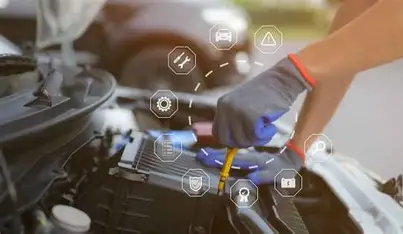
Owning a car brings freedom and convenience, but it also comes with responsibilities—chief among them is proper maintenance. If you’re a beginner, the idea of car maintenance might seem overwhelming. However, understanding the basics can save you money, extend the life of your vehicle, and keep you safe on the road. This beginner’s guide breaks down essential car maintenance tasks and why they matter.
Why Car Maintenance Matters
Regular maintenance helps your car run efficiently and prevents costly repairs. Think of it like going to the doctor for check-ups—minor issues can be addressed before they become serious. Neglecting maintenance can lead to breakdowns, reduced fuel efficiency, and even dangerous driving conditions.
The Owner’s Manual Is Your Best Friend
The first step in understanding your car’s maintenance needs is to read the owner’s manual. It outlines recommended service intervals for oil changes, tire rotations, filter replacements, and more. Each car is different, so what works for one may not apply to another. Make the manual your go-to resource.
Basic Maintenance Tasks You Can Learn
- Oil Changes
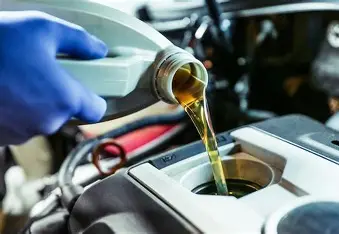
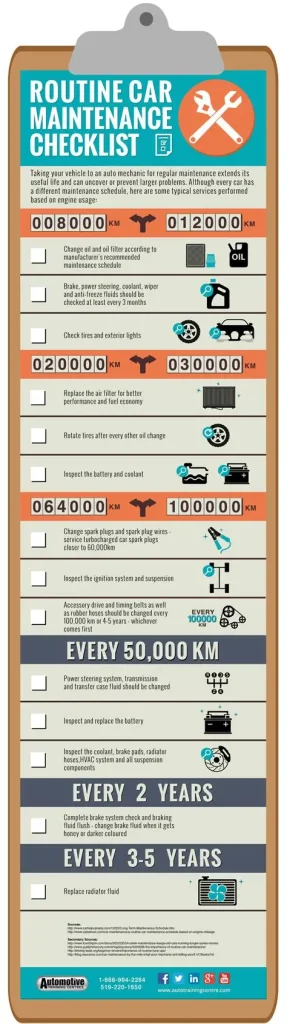
Engine oil lubricates the moving parts of your engine. Over time, it breaks down and gets dirty. Most cars need an oil change every 3,000 to 7,000 miles, depending on the type of oil used and the vehicle. Check your oil level regularly and schedule timely changes. - Tire Care
Properly inflated tires improve fuel economy, handling, and safety. Use a pressure gauge to check tire pressure monthly and before long trips. Also, rotate your tires every 6,000 to 8,000 miles to ensure even wear. - Brake Inspection
Listen for squeaking or grinding noises when braking—these could be signs that your brake pads are worn. A soft brake pedal or longer stopping distances also indicate potential issues. Have your brakes checked regularly by a professional. - Fluid Levels
In addition to engine oil, your car relies on other fluids like coolant, brake fluid, transmission fluid, and windshield washer fluid. Check these levels monthly and top them up as needed. Leaks should be addressed immediately. - Battery Check
A dead battery can leave you stranded. Check for corrosion around the terminals and ensure the cables are secure. If your battery is more than three years old, have it tested periodically. - Air Filter Replacement
The engine air filter keeps dust and debris out of your engine. A dirty filter reduces performance and fuel efficiency. Replace it every 15,000 to 30,000 miles, or as specified in your manual.
Seasonal Maintenance Tips
- Winter: Ensure your battery is strong, tires are in good condition, and you have enough antifreeze.
- Summer: Check your cooling system and air conditioning. Hot weather can strain your engine and tires.
When to See a Mechanic
While many maintenance tasks are beginner-friendly, some should be left to professionals. If you hear strange noises, see warning lights on your dashboard, or notice your car handling differently, it’s time to visit a mechanic.
Don’t wait until there’s a problem. Preventive maintenance is often more affordable than repairs after something breaks.
Tools to Get Started
If you want to try DIY maintenance, invest in a few basic tools:
- Tire pressure gauge
- Jack and lug wrench
- Socket set
- Funnel and oil pan
- Car manual (keep it handy)
Also, there are plenty of online tutorials and videos that walk you through common tasks step by step.
Final Thoughts
Car maintenance doesn’t have to be intimidating. By learning a few basics, you can take better care of your vehicle and avoid unexpected breakdowns. Start with small tasks, consult your owner’s manual, and don’t be afraid to ask questions or seek help. Your car will thank you with smoother rides and fewer repair bills.