
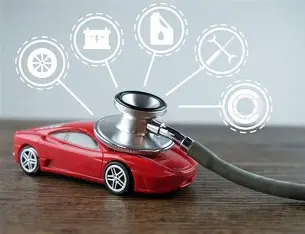
Your car is more than just a mode of transportation — it’s an investment, a travel companion, and a daily necessity. Whether you’re driving a brand-new SUV or a trusty old sedan, taking care of your vehicle ensures a smooth ride and saves you from expensive repairs down the road.
The good news? You don’t need to be a mechanic to keep your car running for years. With a few consistent habits and simple checks, you can significantly extend your car’s lifespan, improve performance, and maintain its value. Easy car upkeep ideas
Here’s your ultimate guide to simple, effective car maintenance tips that really work — no toolbox expertise required. Easy car upkeep ideas
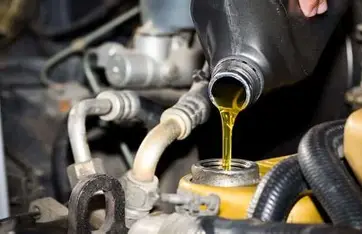
1. Change Your Engine Oil Regularly
The engine is your car’s heart, and oil is its lifeblood. Oil lubricates moving parts, prevents friction, and carries away heat. Over time, it breaks down and becomes dirty, putting your engine at risk.
Tip:
- Check your oil level every few weeks and top it up if needed.
- Follow your manufacturer’s recommendation for oil change intervals — usually every 5,000 to 10,000 kilometers depending on your vehicle and oil type.
- Use the correct oil grade and filter specified in your owner’s manual.
Regular oil changes are the single most important thing you can do to prolong engine life.
2. Don’t Ignore Dashboard Warning Lights
Your car is always talking to you — especially through the dashboard Love Your Car Longer: Simple Maintenance Car Tips That Work. Those little glowing icons might seem cryptic, but they’re vital indicators of your vehicle’s health.
Common warning lights to watch:
- Check Engine Light – Signals various issues, from loose gas caps to engine trouble.
- Battery Light – Indicates charging system problems.
- Oil Pressure Light – Means oil is too low or pressure is inadequate.
- Brake System Light – Suggests low brake fluid or brake system issues.
Never ignore a warning light. Addressing it early could save you from a bigger, costlier problem.
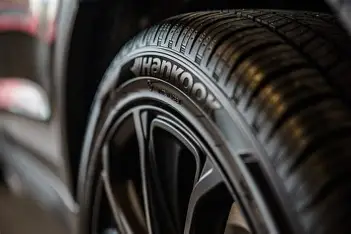
3. Keep an Eye on Your Tires
Your tires are your car’s only contact with the road — they affect everything from fuel efficiency to safety and handling.
Tire care checklist:
- Check tire pressure monthly using a gauge. Find the recommended PSI on the driver’s door sticker.
- Inspect tread depth using the penny test or a tread gauge. Bald tires are dangerous.
- Rotate tires every 8,000–10,000 km to ensure even wear.
- Balance and align your wheels annually or if you notice pulling or vibrations.
Properly maintained tires last longer and can improve fuel economy by up to 3%.
4. Wash and Wax Regularly
While it may seem like just cosmetic care, cleaning your car regularly helps protect the paint and body from rust and corrosion — especially in harsh climates or polluted cities.
Cleaning tips:
- Wash every 2–4 weeks, especially after rain, snow, or long drives.
- Use a pH-balanced car shampoo — never dish soap.
- Wax every 3–4 months to protect the paint from UV rays and water damage.
- Don’t forget to clean the undercarriage, especially during monsoon or winter when dirt and salt can build up.
A clean car isn’t just attractive — it’s healthier and more durable.
5. Replace Filters When Needed
Your car relies on various filters to run efficiently. Dirty filters reduce performance and strain your engine.
Key filters to check:
- Engine Air Filter: Keeps debris out of the engine. Replace every 12,000–15,000 km.
- Cabin Air Filter: Filters the air inside the cabin. Replace annually or if your AC smells musty.
- Fuel Filter: Prevents particles from reaching the engine. Change per manufacturer’s schedule.
Replacing filters is an inexpensive way to protect more expensive components.
6. Monitor and Top Off Fluids
Beyond engine oil, your car uses other critical fluids. Neglecting them can lead Love Your Car Longer: Simple Maintenance Car Tips That Work to serious mechanical problems.
Essential fluids:
- Coolant (antifreeze): Prevents the engine from overheating.
- Brake fluid: Transfers force from the brake pedal to the wheels.
- Transmission fluid: Keeps gear shifts smooth.
- Power steering fluid (if applicable): Assists with steering response.
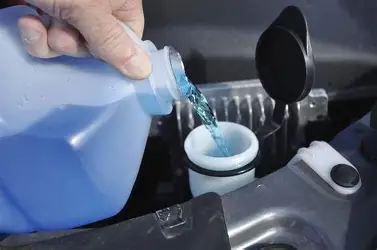
- Windshield washer fluid: Helps maintain visibility.
Make it a habit to check fluid levels monthly and top them up if they’re low. Use your car’s manual to locate each reservoir.
7. Drive Smart and Smooth
Believe it or not, how you drive plays a big role in how long your car lasts.
Good driving habits:
- Avoid sudden stops and rapid acceleration, which strain your engine and brakes.
- Shift gears smoothly if you drive a manual.
- Don’t overload your vehicle — excess weight can damage suspension and reduce efficiency.
- Try to drive at a steady speed on highways and avoid idling for long periods.
The more gently you treat your car, the longer it will return the favor.
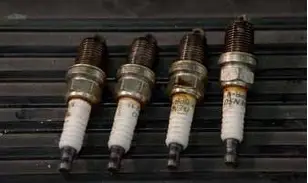
8. Replace Spark Plugs and Belts on Time
Though they last tens of thousands of kilometers, worn-out spark plugs and belts can affect performance and cause engine damage.
- Spark Plugs: Essential for ignition. Replace every 30,000–100,000 km depending on type.
- Timing Belt: Connects crankshaft and camshaft. Failure can destroy the engine. Replace as per schedule (often around 100,000 km).
- Serpentine Belt: Powers accessories like AC, alternator, and power steering. Inspect for cracks or wear.
Check your owner’s manual or consult a mechanic to avoid breakdowns at the worst time.
9. Keep Your Battery Healthy
A dead battery can leave you stranded, but it’s easy to maintain.
Battery care tips:
- Clean any corrosion on the terminals using a baking soda solution.
- Check the battery voltage with a multimeter. A healthy battery should read around 12.6 volts.
- Replace your battery every 3–5 years or if you notice dim lights, slow starts, or a warning light.
During extreme weather (hot or cold), battery issues are more common — so be extra vigilant.
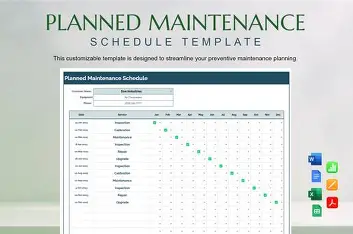
10. Stay on Schedule with Maintenance Checks
The best way to love your car longer is to follow a regular maintenance schedule. Your owner’s manual has a maintenance timeline — follow it!
Regular service items include:
- Oil and filter change
- Brake inspection
- Tire rotation and alignment
- Battery test
- Transmission and coolant flush (as needed)
Set reminders in your phone or use a car maintenance app to track services. A consistent routine will help you catch small problems before they become expensive ones.
So grab a pair of gloves, pop the hood, and show your car some love. It’s one relationship you don’t want to take for granted.
11. Graphing Your Car’s Health: Maintenance vs. Performance

Tracking your car’s health is much like reading a graph—it shows the balance between regular maintenance and overall performance. Consistent oil changes, tire checks, and fluid top-ups directly influence engine efficiency, fuel economy, and longevity. By monitoring this relationship, drivers can spot early warning signs, prevent costly repairs, and ensure their vehicle performs at its peak for years.
Final Thoughts
Your car doesn’t need grand gestures — just a little love and regular attention. With these simple maintenance tips, you can drive confidently, knowing your car is in top condition.
By checking fluids, driving smart, staying clean, and following a schedule, you’ll not only save money on repairs but also build a stronger connection with your vehicle. After all, the longer your car stays happy, the longer it’ll keep you on the road — safely and reliably.
So grab a pair of gloves, pop the hood, and show your car some love. It’s one relationship you don’t want to take for granted.